 Crypto Daddy
XRP Ledger quantum security is becoming a major focus as the network prepares for future quantum computing threats. A proposed upgrade would allow users to protect their accounts with quantum-resistant keys without increasing standard transaction fees.
The Quantum Computing Threat Is Becoming a Blockchain Priority
Quantum computing is increasingly becoming an important consideration for blockchain security.
Today’s blockchain networks rely on cryptographic systems to protect accounts, authorize transactions and secure digital assets. However, sufficiently advanced quantum computers could eventually challenge some of the cryptographic methods currently used across the industry.
On the XRP Ledger, public keys become visible when accounts sign transactions. In a future scenario where quantum computers become powerful enough, exposed public keys could potentially create security risks for accounts that continue using vulnerable cryptographic methods.
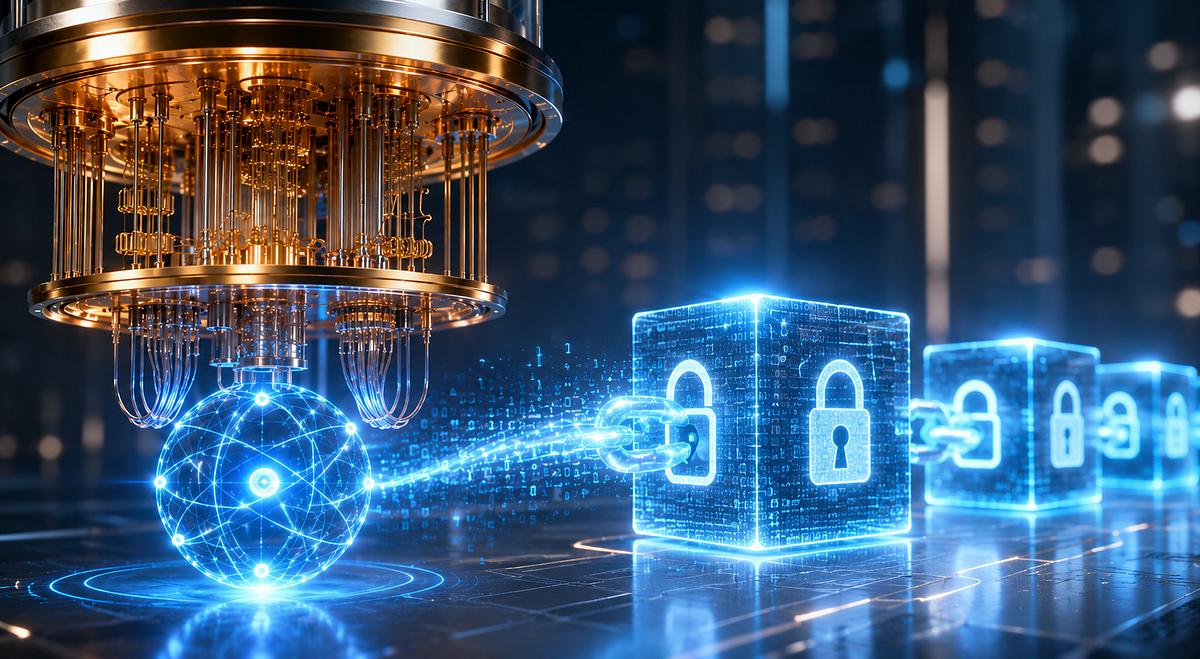
The XRP Ledger Foundation is now exploring a solution designed to address this challenge before it becomes a real-world threat.
How XRP Ledger Plans to Protect User Accounts
According to the proposed design, XRP Ledger account owners would be able to introduce a new quantum-resistant signing key while disabling their original key.
The proposed system uses ML-DSA-44, a post-quantum digital signature standard approved by the U.S. National Institute of Standards and Technology (NIST) in 2024.
The objective is straightforward: strengthen account security while allowing the network to prepare for a new generation of computing technology.
Importantly, users would not need to abandon their existing accounts simply to benefit from the proposed protection.
No Additional Transaction Fees for Users
One of the most interesting aspects of the proposal is its approach to transaction costs.
Quantum-resistant signatures require significantly more data than traditional signatures.
According to the Foundation’s estimates:
-
Traditional payment baseline: 1,704 bytes of storage.
-
Quantum-protected payment: approximately 5,331 bytes.
-
Additional storage: approximately 3.6 KB per protected payment.
Despite this increase, the proposal keeps the existing base transaction fee unchanged.
This means the additional infrastructure and storage burden would fall on network operators rather than directly increasing the fees paid by users.
That is an important consideration for a network aiming to maintain efficiency while strengthening its security architecture.
The Roadmap: What Happens Next?
The XRP Ledger Foundation included quantum-related work in its updated 2027 protocol roadmap.
However, the proposed upgrade is not yet ready for deployment.
The current development timeline includes several important steps:
-
First half of 2027: A migration study to evaluate the transition.
-
Late 2027–2028: Further development, technical reviews and security audits.
-
2028 target: Ripple is aiming for a broader transition toward quantum-resistant infrastructure.
The roadmap also allocates between $215,000 and $255,000 for review and auditing, alongside approximately 640 development hours.
There are still technical challenges to resolve, including ensuring consistent key generation across different software implementations and testing how validators perform with the new signatures.
Why This Matters for XRP and the Wider Crypto Industry
This development goes beyond simply introducing another feature to the XRP Ledger.
Long-term blockchain adoption depends on more than transaction speed and low fees. Security, resilience and the ability to adapt to future technological developments will also play an increasingly important role.
Quantum-resistant cryptography could become an important part of the next generation of blockchain infrastructure.
For XRP Ledger, preparing early could help strengthen confidence among institutions, developers and users who require long-term security for their digital assets.
It also highlights a broader trend: blockchain networks are beginning to think about threats that may not become critical for years, but could fundamentally change how digital security works.
Crypto Daddy Perspective
The interesting part of this development is not simply the mention of quantum computing.
It is the fact that XRP Ledger is exploring how to introduce stronger cryptographic protection without changing the existing base transaction fee.
Of course, this is still a proposed upgrade, and the actual implementation, testing and adoption will determine how successful the transition becomes.
But one thing is clear: the future of blockchain technology will require continuous improvements in security.
Preparing for tomorrow’s threats is just as important as improving today’s network.
Trust the lines. Understand the technology. Think long term.